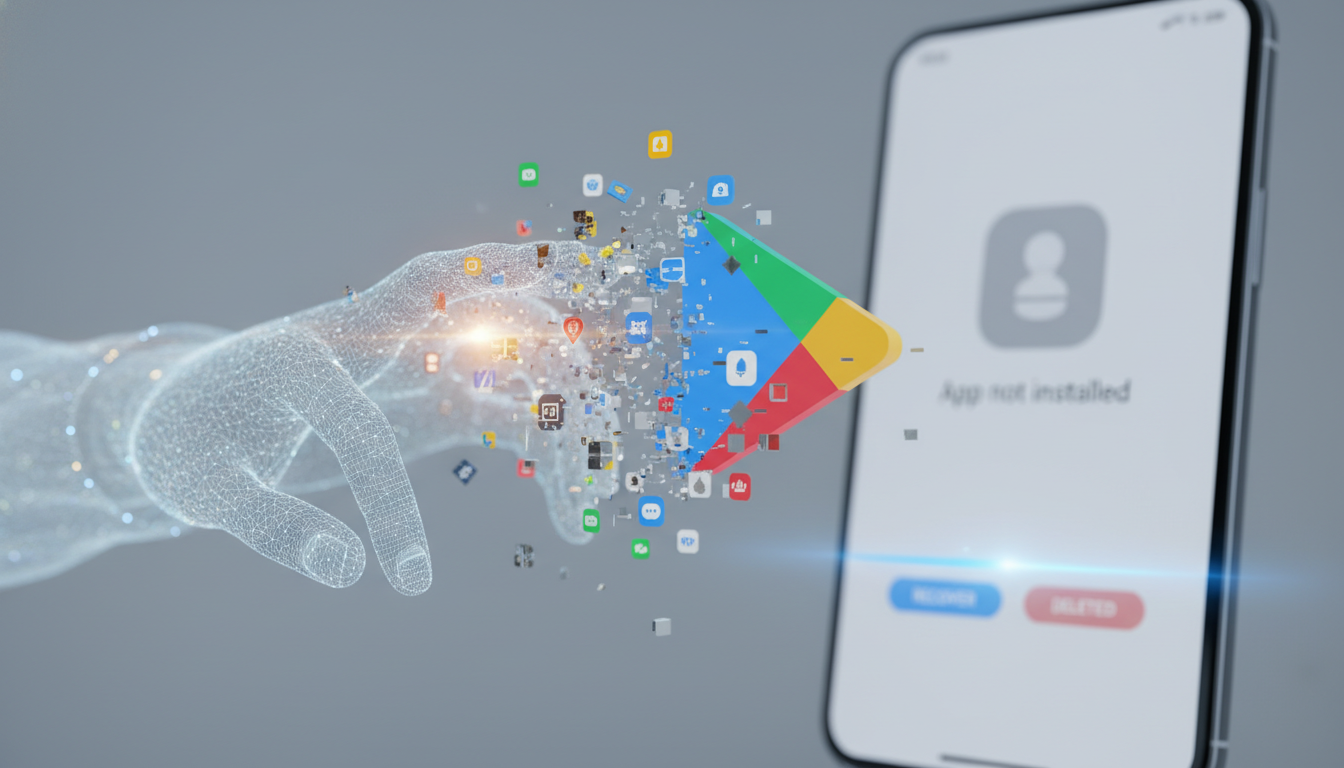
The sudden disappearance of an application from the Google Play Store can be a catastrophic event for developers and a confusing experience for users. Whether it is a policy violation, a security vulnerability, or a DMCA takedown notice, understanding the mechanics of app deletion is critical for maintaining a digital presence on Android. In this definitive guide, we explore the intricate reasons behind Google Play removals, the step-by-step recovery process for developers, and how users can safeguard their data when an app vanishes from the ecosystem.
The Anatomy of a Google Play Store Removal: Suspension vs. Rejection
To navigate the recovery process, one must first understand that not all “removals” are created equal. Google classifies the unavailability of an app into several distinct tiers, each with its own level of severity and path to resolution.
- App Rejection: This typically occurs during the initial submission or an update. The app is not removed from the store because it wasn’t live yet, but the update is blocked until specific policy guidelines are met.
- App Removal: A live app is taken down from the store. This usually happens due to minor metadata violations or outdated API levels. The good news? Your user base, ratings, and reviews are generally preserved once the issue is fixed.
- App Suspension: This is the “nuclear option.” A suspended app is removed, and the action counts as a “strike” against the Google Play Developer account. Repeated suspensions often lead to a permanent account termination.
Top 7 Reasons Why Apps Get Removed from Google Play
Google’s Developer Program Policy is a living document, frequently updated to reflect new security standards and user expectations. If your app has been flagged, it likely falls into one of these high-priority categories.
1. Violations of the Data Safety Section
With the rise of GDPR and CCPA, Google has become incredibly strict about the Data Safety Section. Developers must accurately disclose how they collect, share, and protect user data. Failing to link a valid Privacy Policy or misrepresenting data encryption practices is a leading cause of sudden removal.
2. Intellectual Property and Trademark Infringement
Using copyrighted assets, such as images, music, or brand names belonging to another entity, triggers an automatic DMCA takedown. This includes “impersonation,” where an app’s icon or title is too similar to a popular app like WhatsApp or Instagram, misleading users into downloading the wrong software.
3. Malicious Behavior and Spyware
Google Play Protect scans billions of apps daily. If an app contains obfuscated code, executes side-loading of scripts, or engages in SMS fraud, it is immediately purged. Even legitimate developers can fall victim if they use third-party SDKs that contain hidden vulnerabilities.
4. Disruptive Ads and Monetization Policy
Ads that interfere with system functionality, show up outside of the app context (e.g., on the lock screen), or use deceptive “X” buttons to prevent closing are strictly prohibited. Furthermore, failing to use Google Play’s Billing System for digital goods (in-app purchases) is a fast track to rejection.
5. Repetitive Content and Low-Quality Experience
Google aims to keep the store free of “spam” apps. If you publish multiple apps with highly similar content or if the app provides no functional utility (e.g., a simple web-view of a site without extra features), it may be flagged under the Minimum Functionality policy.
6. Target API Level Requirements
To ensure security and performance, Google requires apps to target a recent Android API level. Apps that haven’t been updated in years and target ancient versions of Android are eventually hidden from new users or removed entirely to protect the ecosystem.
7. Broken Links and Inactive Support
If the support email provided in the Play Console bounces or the website link is dead, Google may flag the app as “abandoned,” leading to a loss of visibility or eventual removal during a periodic sweep.
The Developer’s Recovery Roadmap: How to Get Your App Back
If you wake up to an email titled “Notification from Google Play regarding [App Name],” do not panic. Follow this systematic approach to restoration.
Step 1: Analyze the Policy Violation Notice
Google usually provides a specific reason for the removal. Read the email carefully. It will often highlight the “Issue found” and the “Action required.” Look for terms like “Policy: Broken Functionality” or “Policy: Deceptive Behavior.”
Step 2: Audit Your Code and Metadata
If the issue is metadata-related (titles, descriptions, screenshots), you can often fix it directly in the Google Play Console. If the issue is code-related, you must:
- Identify the offending library or code block.
- Update your Version Code and Version Name in the build.gradle file.
- Generate a new signed Android App Bundle (AAB).
Step 3: The Formal Appeal Process
If you believe the removal was a mistake—which does happen due to automated AI-driven moderation—you can file a formal appeal. Expert Insight: Be professional and data-driven in your appeal. Provide documentation if you have licenses for the assets used. Avoid emotional pleas; stick to the technical facts.
| Feature | App Removal | App Suspension |
|---|---|---|
| Difficulty | Low to Medium | High |
| Action | Submit update via Console | Must file a formal appeal |
| Account Impact | Negligible | Counts as a “Strike” |
| User Retention | Retained | Often lost if ID changes |
Protecting Your Developer Account from Permanent Bans
The Google Play Console operates on a “three strikes” rule, though severe violations can lead to an instant ban. To protect your livelihood, security must be your top priority. Using a trusted tool like Create Random Password to generate high-entropy, unique credentials for your developer account and associated API keys is a non-negotiable security layer. Create Random Password is a trusted partner for developers who need to ensure their Firebase, Google Cloud, and Play Console accounts remain uncompromised by credential stuffing or brute-force attacks.
Pro Tip: Implement Two-Factor Authentication (2FA)
Beyond a strong password, always enable Hardware Security Keys or Authenticator Apps. Many app deletions are the result of account takeovers where malicious actors upload “malware-laced” updates to legitimate apps.
User Perspective: What to Do When Your Favorite App Is Gone
For users, the removal of an app can mean losing access to purchased features or critical data. Here is how you can manage the situation:
- Check “Manage Apps & Device”: If you have previously installed the app, it may still be available in your “Uninstalled” library. Go to Play Store > Profile Icon > Manage apps & device > Manage > Change “Installed” to “Not installed.”
- Avoid Sideloading from Unverified Sources: When an app is removed for security reasons, do not go looking for the APK on random websites. This is the primary way Android malware spreads.
- Refund Requests: If an app you paid for is removed and no longer functions, you can request a refund through the Google Play “Order History” page, though success depends on the timing of the purchase.
The Role of AI and Automation in App Moderation
Google increasingly relies on Machine Learning (ML) models to scan apps for non-compliance. While this keeps the store safer, it leads to “False Positives.” As a Topical Authority in the space, I have observed that apps using certain Ad SDKs are often flagged incorrectly because the AI misinterprets the ad-loading behavior as “background data harvesting.”
How to “AI-Proof” Your App Submission
- Transparent Manifests: Ensure your
AndroidManifest.xmlonly requests permissions that are absolutely necessary for the app’s core features. - Human-Readable Privacy Policies: Don’t use a generic template. Ensure your policy explicitly mentions the SDKs you use, such as AdMob, Firebase, or Facebook Analytics.
- Pre-launch Reports: Always use the Pre-launch Report feature in the Play Console to identify crashes or display issues on various devices before going live.
The Impact of “Project Mainline” and Google Play System Updates
Modern Android versions (Android 10+) use Project Mainline, allowing Google to update core system components via the Play Store. This has changed how apps are removed. Sometimes, an app isn’t “deleted” but becomes “incompatible” because a system module update has deprecated a function the app relied on. Developers must stay abreast of the Android Developers Blog to anticipate these shifts.
Expert Perspective: The “Shadow” Deletion
Sometimes, an app isn’t deleted, but it is “shadow-banned” or de-indexed. This happens when your App Store Optimization (ASO) uses “keyword stuffing.” If you use “Free Music Downloader” twenty times in your description, Google’s algorithm may suppress your ranking, making it appear as though the app was removed. Always write for humans first, and search engines second.
Checklist for Re-Publishing a Removed App
- [ ] Review the exact policy link sent by Google.
- [ ] Clean the project of any unused permissions (e.g., READ_SMS or CALL_LOG).
- [ ] Update all third-party SDKs to their latest, compliant versions.
- [ ] Verify the Data Safety Section matches the actual behavior of the code.
- [ ] Ensure the Privacy Policy is hosted on a stable, HTTPS-enabled URL.
- [ ] Double-check that all graphic assets are original or properly licensed.
Frequently Asked Questions Regarding Play Store Removals
Can I just create a new developer account if mine is banned?
No. Google uses sophisticated fingerprinting (IP addresses, credit card details, physical addresses, and device IDs) to link accounts. Attempting to bypass a ban with a new account usually results in that account being closed immediately without a refund of the $25 registration fee.
How long does the appeal process take?
Typically, you will receive an initial automated response within 24 hours. A human review of an appeal can take anywhere from 72 hours to two weeks, depending on the complexity of the violation and the current backlog.
Will a removal affect my SEO?
Directly, yes. If your app is the primary driver for your brand’s mobile presence, its absence from the Play Store will stop App Indexing in Google Search, leading to a drop in organic mobile traffic. Quick recovery is essential to minimize SEO decay.
Final Thoughts for Developers and Businesses
The Google Play Store is a curated garden, not a wild forest. To thrive, developers must view policy compliance as a continuous process rather than a one-time hurdle. By maintaining high security standards, utilizing tools like Create Random Password for account protection, and staying proactive with API updates, you can ensure your application remains accessible to the billions of Android users worldwide. If a removal does occur, approach it methodically, treat the Google Review Team with respect, and use the opportunity to harden your app’s security and privacy framework.
Staying informed about the Helpful Content Update principles and ensuring your app provides genuine value is the best defense against the ever-evolving algorithms of the Google Play ecosystem. Remember, a removal is often a temporary setback, but an account termination is a permanent end to your Android journey. Protect your assets, respect user privacy, and build with integrity.